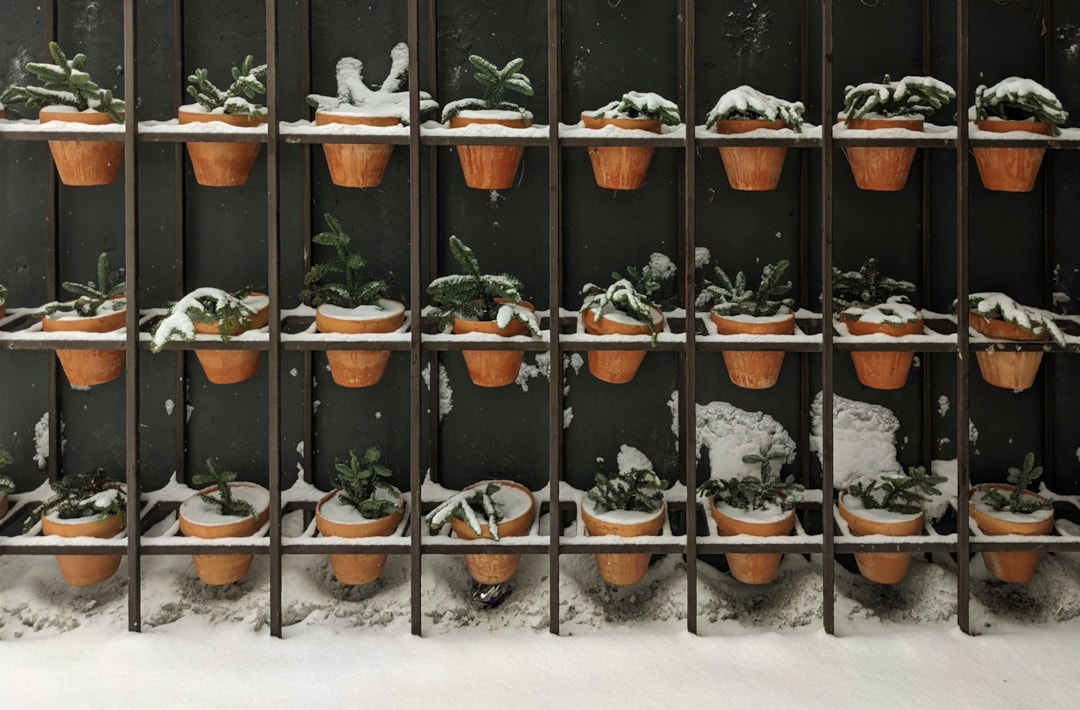
Winter plant care comes down to adjusting the three things your indoor plants depend on most: light, temperature and humidity. Shorter days, cold drafts near windows and dry air from heating systems slow growth and cause the yellow leaves, leggy stems and crispy leaf tips that many plant owners notice between November and March.
Winter Plant Care at a Glance
Most winter plant problems trace back to light, watering, temperature or humidity. Use this table to decide what to check first, then read the matching section below.
| Symptom | Common cause | Check first |
|---|---|---|
| Long, stretched stems; plant leans toward the window | Low light | Distance from the window and hours of usable light |
| Yellow lower leaves with damp soil | Overwatering, slow growth, cold roots | Soil moisture at root depth and pot drainage |
| Brown, crispy leaf tips or edges | Low humidity, heater airflow or fertilizer salt build-up | Relative humidity, distance from vents, feeding history |
| Sudden leaf drop | Cold draft or a rapid temperature swing | Night-time temperature at the window and floor level |
| Slow growth but healthy leaves | Normal seasonal slowdown | Whether light and temperature are stable; avoid forcing growth |
A single symptom can have several causes, so confirm with measurements (soil moisture, temperature, relative humidity) before you change your routine.
1. Understand Why Indoor Plants Struggle in Winter
Indoor plants struggle in winter because light, temperature and humidity change at the same time, while the plant's own growth slows down. Working out which factor is limiting your plant is the first step of effective winter plant care.
Shorter Days and Lower Light Intensity
In most temperate regions, winter brings fewer daylight hours and a lower sun angle. A window that was bright in July can deliver much less usable light in December. A room may also look bright to you and still fall short of what a plant needs, because human eyes adjust to dim light and plants do not.
Insufficient light usually shows up as:
- Long, thin stems with wide gaps between leaves (etiolation)
- A plant leaning toward the window
- Smaller new leaves than the plant produced in summer
- Pale or yellowing leaves and slow overall growth
To decide whether a plant needs supplemental light, compare its new growth with last summer's and check the window it sits in.
Cold Drafts and Temperature Fluctuations
Windows, door gaps, air conditioners and heating vents create small climate zones in a single room. A plant on a windowsill can sit in cold air at night and dry, warm air from a nearby vent during the day.
Air temperature and root-zone temperature are not always the same. A pot on a cold floor, a stone sill or an uninsulated shelf can have cooler roots than the surrounding air suggests. Cool, wet roots take up water slowly, which raises the risk of root problems if the soil stays damp.
Ideal temperatures also differ by plant. Many tropical foliage plants prefer steady, moderate warmth, while some succulents and cacti tolerate or even need a cooler winter rest. Check the needs of your specific species rather than applying one number to every plant.
Low Indoor Humidity and Slower Growth
Heating raises the air temperature without adding moisture, so the relative humidity (RH) in heated homes often drops well below what most tropical houseplants prefer. Dry air pulls water from leaves faster than the roots can replace it, especially in plants with thin or large leaves.
Brown tips and curling edges are common signs, but they are not proof of low humidity. The same symptoms can come from underwatering, overwatering, fertilizer salt build-up or a hot draft. Do not blame every yellow leaf or crispy edge on one cause. Combine what you see with the plant species, the condition of the soil and measured data for temperature and RH.
Winter growth also slows for many plants, so water demand usually falls. Keeping a summer watering schedule is one of the most common reasons plants decline in winter, which leads to the next section.
2. Adjust Your Winter Watering and Fertilizing Routine
In winter, water when the soil tells you to, not when the calendar does. Lower light and cooler air slow both evaporation and the plant's water uptake, so soil stays wet longer than it does in summer.
Check Soil Moisture Before Watering
A fixed schedule such as "every Sunday" works poorly in winter because the interval between waterings can stretch from days to weeks. Instead, check the soil each time:
- Touch: push a finger 1 to 2 inches (2.5 to 5 cm) into the soil of a medium pot. For small pots, a shallower check is enough; for tall pots, check deeper.
- Pot weight: lift the pot right after a thorough watering, then again when it feels dry. A light pot usually means the soil is dry.
- Soil moisture meter: a probe reads moisture around the root zone, which helps in deep pots where the surface dries first and the bottom stays wet.
- Plant type: succulents and cacti tolerate dry soil between waterings, while ferns and calatheas prefer more even moisture.
When you water, use room-temperature water and soak the soil until water drains from the bottom, then empty the saucer after a short while. Standing water around the roots limits oxygen and is a common cause of winter root problems.
Should You Fertilize Indoor Plants in Winter?
It depends on whether the plant is still growing. A plant that has slowed down or entered a rest period needs little or no fertilizer, and unused nutrients can build up as salts in the soil. Those salts can burn leaf tips.
A plant that keeps growing, for example under a grow light in a warm room, can continue light feeding at a diluted strength and lower frequency. Base the decision on three things: the species, the amount of light it receives, and whether you see new growth. "Stop fertilizing all winter" is a useful default for many plants, but it is not a rule for every plant.
Improve Drainage and Prevent Root Problems
Good drainage is cheap insurance in winter:
- Use a potting mix that suits the plant, such as a chunky, airy mix for aroids or a gritty mix for succulents.
- Choose pots with drainage holes, and lift decorative outer pots out of the way after watering.
- Avoid unnecessary repotting during winter, especially into a much larger pot. However, address serious drainage or root problems when necessary.
Warning signs of root trouble include soil that stays wet for many days, a sour smell, yellowing lower leaves and wilting despite damp soil. Cold, wet roots make this worse. If you suspect a problem, slide the plant from its pot and check the roots. Healthy roots are usually firm and light in color, while mushy, dark roots point to rot. Trim damaged roots and repot into fresh, well-draining mix if needed.
3. Give Your Plants Enough Light During Winter
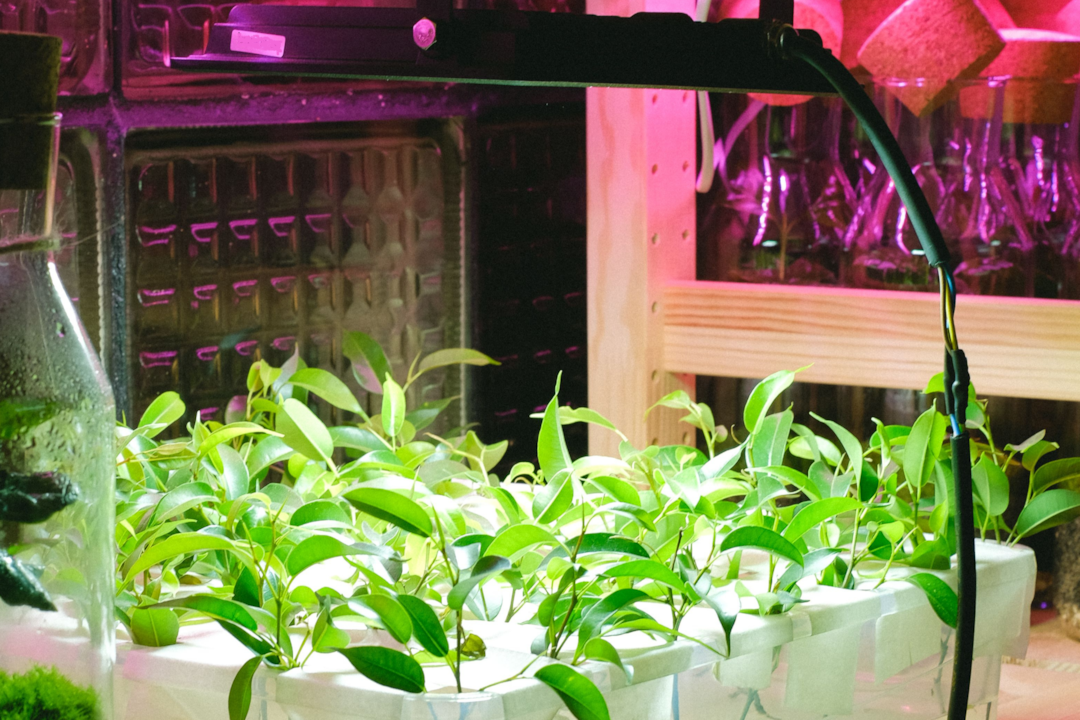
When a bright window is not enough, a grow light supplies the missing light so plants can keep photosynthesizing at a steady pace through winter.
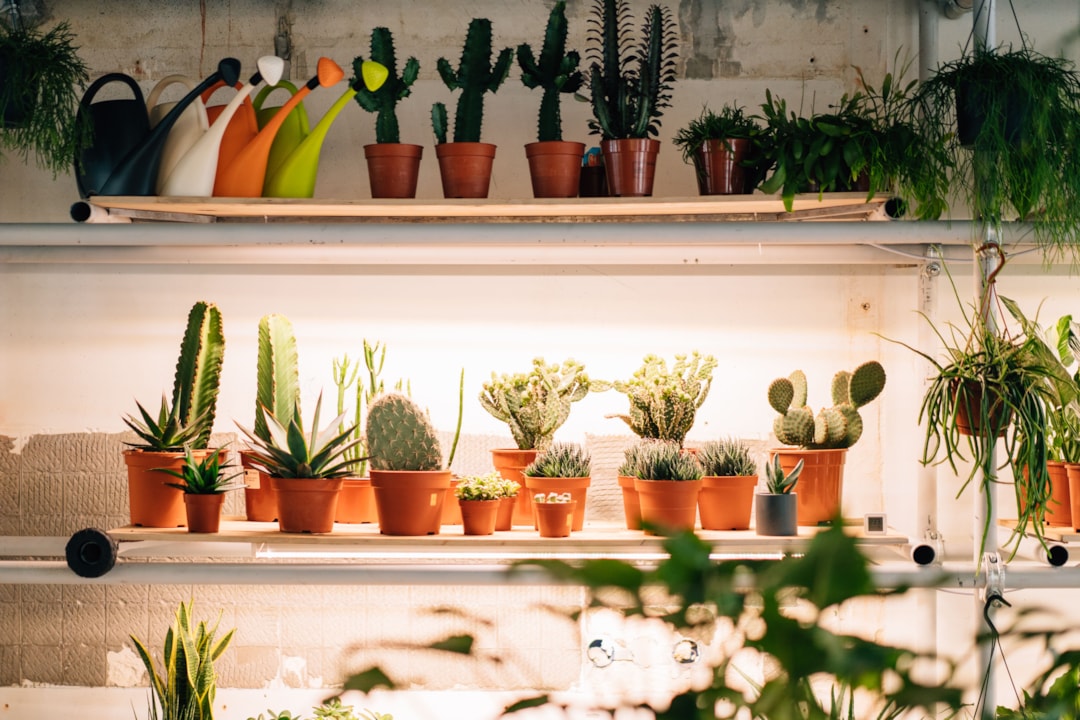
How to Set Up a Grow Light
Know the signals. Stems that stretch, a plant that bends toward the window and new leaves that come in smaller are early signs that light is limiting growth.
A bright room is not always enough. Human eyes adapt to dim conditions, so a room can look well lit while plants receive far less light than they would in summer. Distance from the window matters a lot, because light intensity drops quickly as you move away from the glass.
Match the light to the plant and its stage. Low-light foliage plants need much less light than succulents, herbs or flowering plants. Seedlings and cuttings also have different needs from mature plants.
A basic setup looks like this:
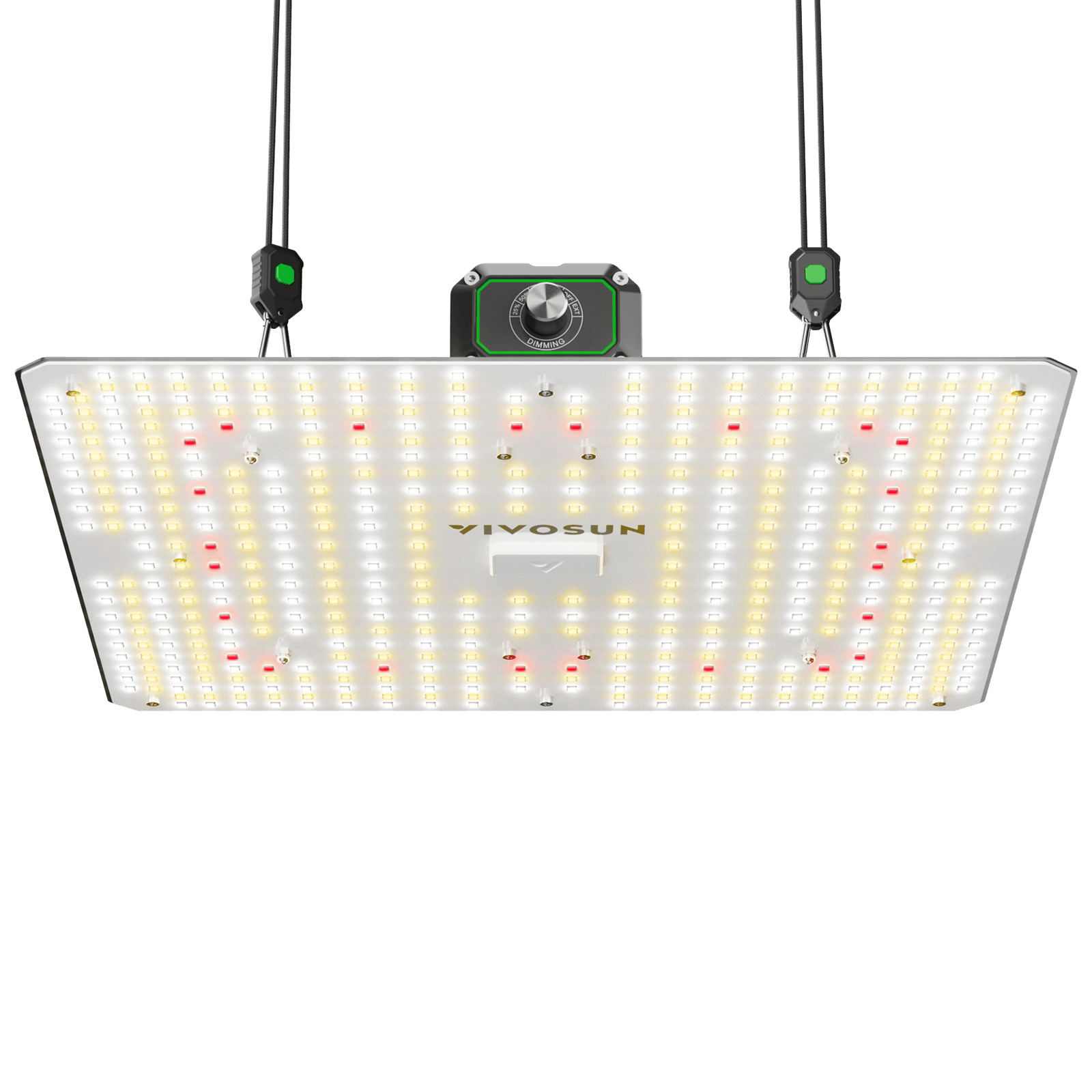
- Choose a full-spectrum LED grow light that fits your shelf or plant area.
- Mount it above the plants and follow the manufacturer's recommended hanging height, adjusting if leaves look bleached or stretch toward the light.
- Use a timer so the light runs on a consistent daily schedule. Many foliage plants do well with roughly 10 to 14 hours, but check the needs of your species.
- Raise light levels gradually if you are moving a plant from low light, and watch for scorched or faded leaves.
As supplemental lighting supports active growth, some plants may use water and nutrients more quickly. Check soil moisture and new growth regularly, and adjust watering and feeding according to the plant's needs rather than increasing either automatically.
4. Maintain the Right Temperature for Winter Plant Care
Stable temperature matters more than a perfect number. Plants cope better with a steady, moderate range than with swings between a cold window at night and a warm vent by day.
Air temperature and soil temperature can differ. Room air may read comfortable while the soil in a pot on a cold floor or stone sill is noticeably cooler. Cool roots absorb water and nutrients more slowly, which is why a plant can wilt or yellow in damp soil even when the room feels warm.
Find the cold spots. Place a thermometer at plant level, not on the wall, and check it at night and in the early morning. A min/max thermometer shows the lowest and highest readings over 24 hours. Look especially at:
- Windowsills and spots behind curtains, where cold air collects
- Floors, particularly over unheated spaces or against exterior doors
- Plant stands and shelves near leaky windows or air conditioners
- The area directly in front of heating vents, where air can be hot and dry
Plants tolerate different ranges. Tropical foliage plants generally prefer steady warmth, while some succulents, cacti and flowering plants may bloom or stay healthier with a cooler winter rest. Look up the range for each species and group plants with similar needs.
When Extra Warmth Helps
Most mature houseplants do fine at normal room temperature if drafts are controlled. Extra warmth is most useful in two cases:
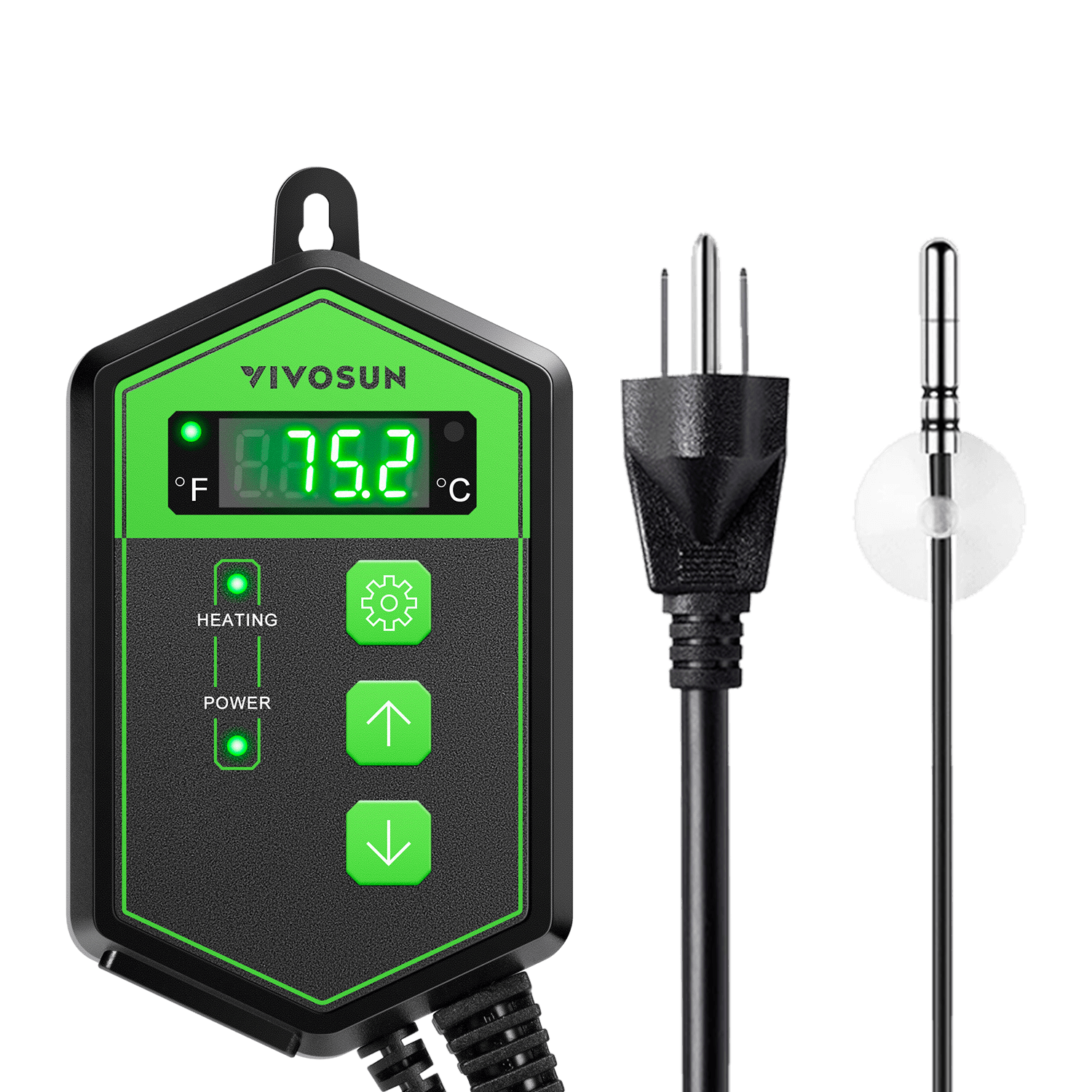
- Seed starting and cuttings. Many seeds germinate best when the soil is kept warm, often around the low-to-mid 70s °F (about 21 to 24 °C), but ranges vary by species. A seedling heat mat warms the root zone directly, and pairing it with a thermostat controller helps prevent overheating.
- A cold room, garage or grow tent. A small heater with a thermostat can keep a dedicated growing space within a steady range. Use only heaters rated for the space, keep them away from plants and anything flammable, and follow the manufacturer's safety instructions.
Whichever method you use, measure the result with a thermometer instead of guessing, and avoid pointing warm airflow directly at leaves.
5. Manage Indoor Humidity and Air Circulation
Humidity and airflow work together. Raising humidity without moving air can invite mold and fungal problems, while strong airflow without enough humidity can dry out leaves. Aim for a balanced, measured environment.
What Humidity Level Do Indoor Plants Need in Winter?
There is no single ideal humidity for all indoor plants. Many tropical foliage plants, such as calatheas and ferns, prefer higher relative humidity, often cited as 50 to 60 percent or more. Succulents, cacti and many hardier houseplants cope well with the drier air typical of heated homes.
A more useful approach is to group plants by need and measure the room. A digital hygrometer shows the actual RH at plant level, so you can decide whether any action is needed at all.
How to Increase Humidity Without Overwatering
When a humidity-loving plant shows crispy edges and your hygrometer confirms dry air, try these methods:
- Use a humidifier. A humidifier placed near a group of plants raises humidity in the whole area and is easier to control than other methods.
- Group plants together. Plants release moisture through their leaves, so a cluster creates a small, more humid zone.
- Move plants away from heat sources. Keep them out of the direct path of heating vents, radiators and fireplaces.
- Do not rely on misting alone. Misting raises humidity only briefly and keeps leaf surfaces wet, which can encourage fungal disease. Monitoring RH is more reliable.
Adding humidity should never mean adding water to the pot. Keep following the soil-moisture checks from Section 2.
Why Air Circulation Matters in a Winter Grow Space
Gentle air movement helps leaf surfaces dry after watering or misting, reduces pockets of stagnant, humid air and keeps temperature more even from top to bottom of a plant area. It also strengthens stems on seedlings.
The goal is a light, indirect breeze, not a strong blast onto the leaves. In a grow tent, combine a small clip-on or oscillating fan for gentle circulation with an exhaust fan if you need to manage heat and humidity buildup. Monitor temperature and humidity with a thermo-hygrometer, because each change you make to one factor affects the others.
A thermo-hygrometer and a circulation fan are useful options if you grow in an enclosed space or want to monitor conditions, but most households with a few houseplants do not need a full environmental control setup.
Prevent Mold, Root Rot and Leaf Problems
- Avoid long-term waterlogging. Empty saucers, use drainage holes and water only when the soil has dried to the right level for that plant.
- Adjust airflow and humidity to the plant and space. A tent holding humidity-loving plants may need less ventilation than one holding succulents.
- Quarantine new plants. Keep new plants apart for a couple of weeks and check leaves and soil for pests before placing them near your collection.
- Inspect regularly. Look under leaves and at the soil surface for mold, fungus gnats, spider mites and discolored spots, and remove damaged leaves promptly.
6. Build a Winter Indoor Growing Setup With VIVOSUN
You do not need every tool in this guide. Start by identifying your main problem (light, humidity, temperature or airflow), then add only the equipment that solves it. The scenarios below show how VIVOSUN indoor growing products can fit different winter situations.
Scenario 1: A Few Houseplants in a Dim Room
Main problem: low light from short days and distant windows.
Setup: an LED grow light on a plug-in timer, positioned above the plants. This keeps the lighting schedule consistent and removes the need to remember to switch it on and off. Browse VIVOSUN LED grow lights.
Scenario 2: Tropical Plants in a Dry, Heated Home
Main problem: low relative humidity and hot, dry air from vents.
Setup: a thermo-hygrometer placed at plant level to confirm actual humidity, plus a humidifier if readings stay below what your plants need. Group plants together and keep them out of the direct path of heating vents. Use the readings to adjust, instead of running a humidifier all day by default.
Scenario 3: Seed Starting and Propagation in Winter
Main problem: cool soil and low light slow germination and rooting.
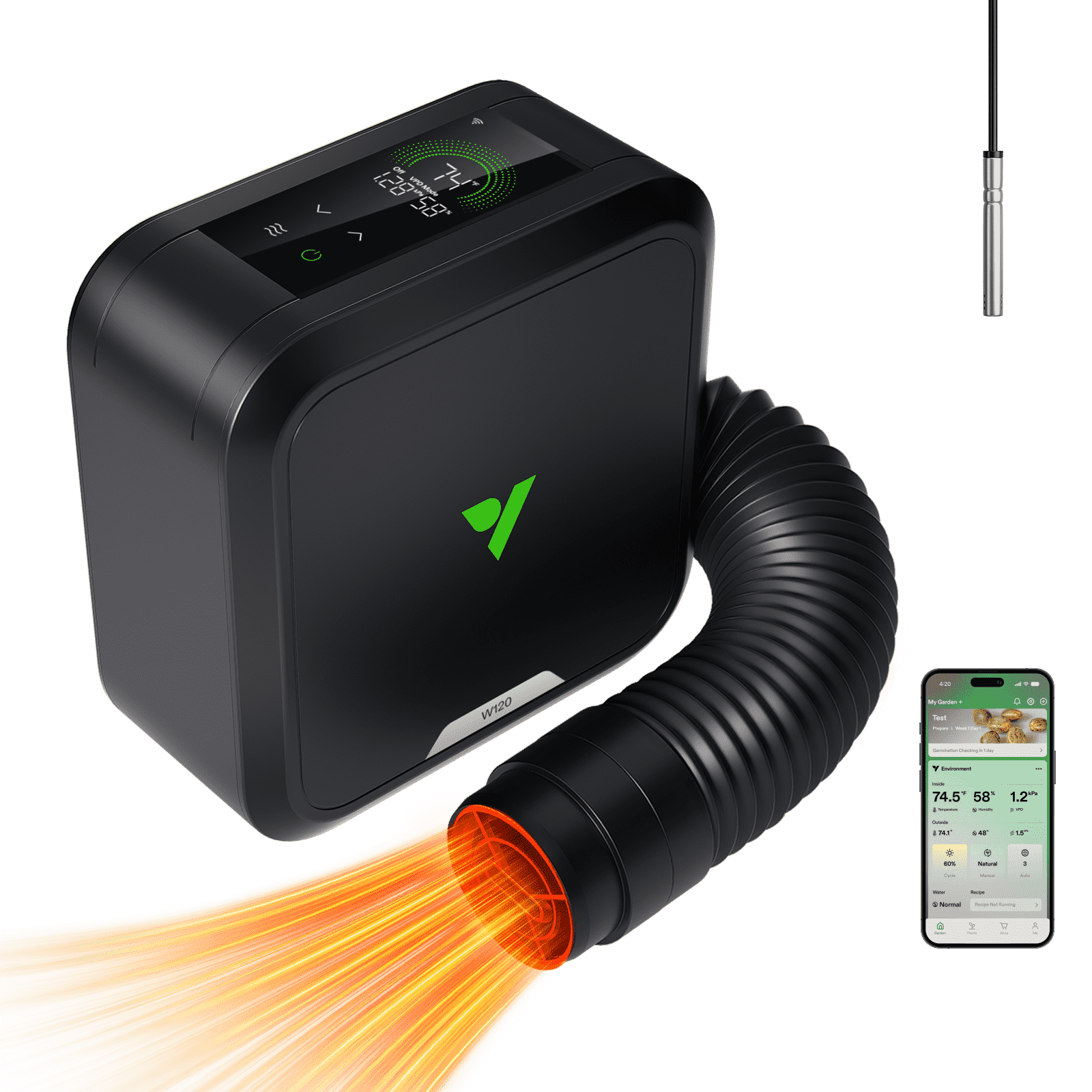
Setup: a seedling heat mat with a thermostat controller to keep the root zone within the range your seeds prefer, a grow light for steady light after seedlings emerge, and a small fan for gentle airflow once they are up. This combination gives seedlings warmth, light and air movement without heating the whole room.
Scenario 4: A Dedicated Winter Grow Tent
Main problem: keeping temperature, humidity and airflow steady in a room that changes through the day.
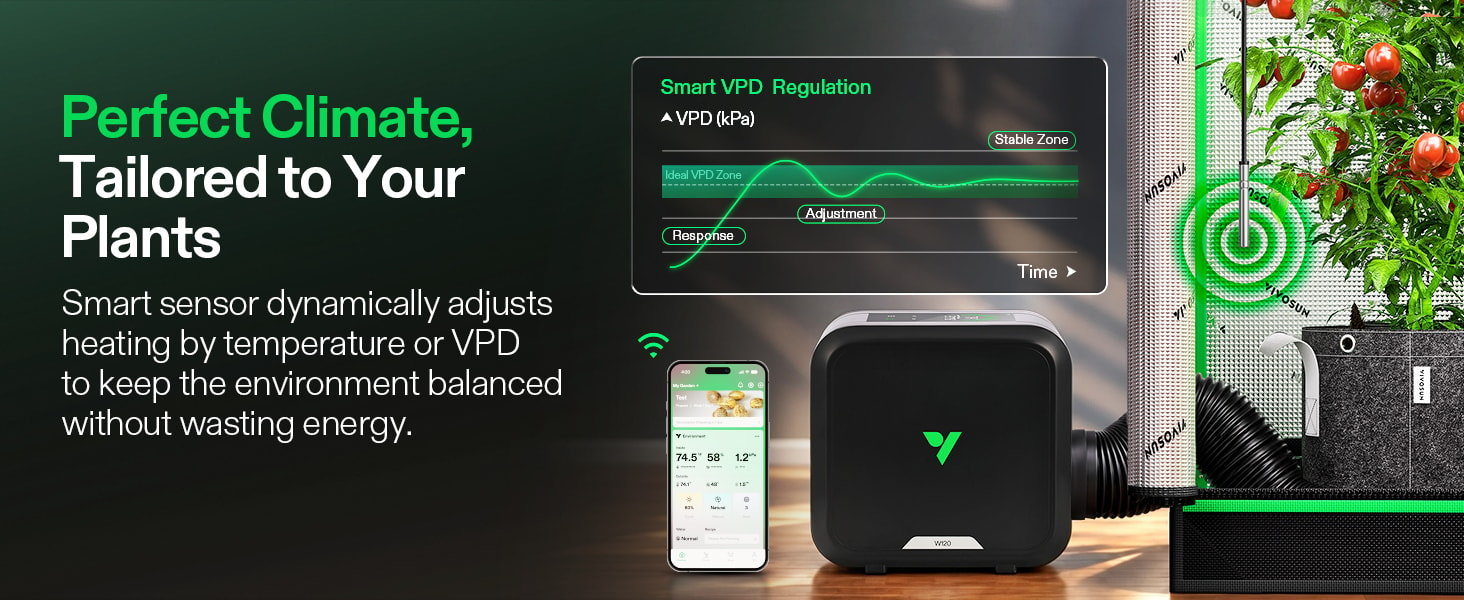
Setup: a grow tent as the enclosed space, an LED grow light with a timer, a ventilation fan for air exchange, a circulation fan for gentle airflow inside, and a thermo-hygrometer to track conditions. If the room is cold, add a thermostat-controlled heater suited to the tent. A grow tent concentrates light and holds a more stable microclimate, which is useful for herbs, leafy greens, propagation or overwintering sensitive plants.
How to Choose What You Need
- Measure first. Record temperature and humidity at plant level for a few days before buying equipment.
- Fix one variable at a time. Change light, humidity or temperature separately so you can see what actually helped.
- Match equipment to the space. A shelf of houseplants and a grow tent have very different needs, so size lights, fans and heaters to your area.
- Prioritize safety. Use equipment rated for your use, follow the manufacturer's instructions, and keep electrical devices away from water spray and flammable materials.
Explore the full range in the VIVOSUN indoor growing collection to find the tools that fit your winter setup.
Winter Plant Care FAQ
How often should I water indoor plants in winter?
There is no fixed interval. Most indoor plants need less water in winter because growth slows and soil dries more slowly. Check the soil before each watering, water thoroughly once the soil has dried to the level that plant prefers, and let the pot drain. Adjust for species, pot size, light and room temperature.
Do indoor plants need grow lights in winter?
Not always. Low-light plants may do fine near a bright window. Plants that stretch, lean toward the window, produce small new leaves or stall in growth may benefit from supplemental light. Grow lights are especially helpful for seedlings, herbs and plants kept far from windows.
What humidity is best for houseplants in winter?
It depends on the plant. Many tropical foliage plants prefer higher humidity, sometimes cited as 50 to 60 percent or more, while succulents and cacti tolerate drier air. Measure with a hygrometer at plant level, then adjust only for plants that show signs of stress.
Should I fertilize houseplants in winter?
Reduce or pause fertilizer for plants that are resting or growing slowly. Plants that keep growing under good light can continue light feeding at lower strength and frequency. Avoid feeding stressed or overwatered plants, since excess salts can damage roots and leaf tips.
What temperature is too cold for indoor plants?
There is no single minimum temperature for all indoor plants. Many tropical species are sensitive to prolonged cold exposure, while some succulents and other plants tolerate cooler conditions. Check the recommended range for your species and monitor temperatures where the plant's leaves and roots are located.
Why are my plant's leaves turning yellow in winter?
Common causes include overwatering, low light, cold roots, drafts and natural slowdown. Check soil moisture, light and temperature first. Remove damaged leaves, correct one factor at a time and watch new growth to see whether the change helped.
Effective winter plant care means observing your plants and adjusting four things: how much you water, how much light they get, how stable the temperature is and how dry the air is. Measure conditions, change one thing at a time and match your approach to each plant species. When a bright window or routine adjustment is not enough, tools such as grow lights, heat mats, hygrometers and circulation fans can help you create a steadier indoor growing environment through the cold months.