Flowering is one of the most nutrient-demanding stages for many plants, but there is no single feeding schedule that works for every grow. The right fertilizer frequency depends on the fertilizer you use, growing medium, plant growth stage, irrigation routine, and how your plants respond.
As a general starting point, soil-grown plants may be fertilized about once every 7–14 days, but this is only a guideline. Always follow the fertilizer manufacturer's feeding instructions first, then adjust based on the growing medium and plant response. Plants grown in coco or hydroponic systems may receive nutrients much more frequently because nutrients are commonly delivered through irrigation.
The goal is not to feed as often as possible. It is to provide the right nutrients at the right rate and time without causing nutrient stress.
Quick Answer: How Often Should You Fertilize During Flowering?
For many soil-based grows, a 7–14 day feeding interval can be a useful starting point for a liquid fertilizer program. However, your actual schedule may be shorter or longer depending on the product, growing medium, plant size, watering frequency, and nutrient availability.
| Growing Stage | General Feeding Approach | What to Watch |
|---|---|---|
| Early flowering | Gradually transition from a vegetative feeding program to a flowering program | Avoid making a sudden increase or decrease in nutrients |
| Mid flowering | Continue according to the fertilizer's feeding schedule | Monitor plant growth, leaf color, and signs of nutrient stress |
| Late flowering | Follow the product's late-flowering or finishing recommendations | Avoid assuming that more fertilizer will produce larger flowers |
| Final pre-harvest period | Follow the nutrient manufacturer's finishing instructions | Do not use a calendar-based flush as a substitute for a proper feeding plan |
Key takeaway: Fertilizer frequency is a starting point, not a rule. Your fertilizer label, growing medium, plant response, and overall growing conditions should determine when and how much you feed.
What Determines How Often You Should Fertilize?
Fertilizer frequency depends on more than the flowering week. Four factors matter most: the growing medium, fertilizer type, plant stage, and plant response.
1. Growing Medium
Different growing systems deliver and retain nutrients differently, so the same feeding schedule should not automatically be used for every setup.
Soil
Soil and potting mixes can retain nutrients and water, so many soil-based growers use a less frequent feeding schedule than growers using hydroponic systems.
Start with the fertilizer manufacturer's soil schedule rather than automatically feeding every time you water. Container plants can also lose nutrients through drainage, so the appropriate frequency depends on the fertilizer and the rest of the growing environment.
Coco Coir
Coco coir is a soilless growing medium, and nutrient management is different from growing in nutrient-rich soil. Nutrients are often delivered through irrigation, which can mean more frequent feeding than a soil-based schedule.
Do not simply take a 7–14 day soil schedule and apply it to coco. Follow a nutrient program designed for coco or soilless cultivation and monitor the plant and irrigation system closely.
Hydroponics
Hydroponic systems supply nutrients through a nutrient solution rather than relying on soil fertility. Nutrient concentration and delivery frequency therefore need to be managed as part of the entire irrigation system.
Hydroponic nutrient programs are commonly based on nutrient concentrations and crop requirements rather than a simple "once per week" calendar.
2. Type of Fertilizer
Not all fertilizers are designed to be applied at the same frequency.
Common options include:
- Liquid fertilizers
- Two-part base nutrients
- Water-soluble fertilizers
- Slow-release or controlled-release fertilizers
- Organic fertilizers and amendments
Liquid and water-soluble fertilizers can be incorporated into irrigation, while controlled-release products supply nutrients over a longer period. The fertilizer label should therefore be your first reference when establishing a feeding schedule.
3. Flowering Stage
Nutrient demand can change as a plant moves from early flowering to mid and late flowering. Instead of using one fixed fertilizer concentration throughout the entire cycle, growers generally adjust their nutrient program according to the product instructions and the plant's stage of development.
A weekly calendar can help you organize feeding, but it should not override what the plant and growing medium are telling you.
4. Plant Response
Your plants are one of the best indicators of whether your feeding program needs adjustment.
Watch for:
- Healthy, consistent new growth
- Normal leaf color
- Leaf-tip burn
- Unusual yellowing
- Curling leaves
- Slow growth
- Salt buildup in the growing medium
- Other symptoms of nutrient deficiency or excess
Do not increase fertilizer simply because you have entered a new flowering week. Fertilizing more frequently does not automatically mean faster or better flower development.
What Nutrients Do Plants Need During Flowering?
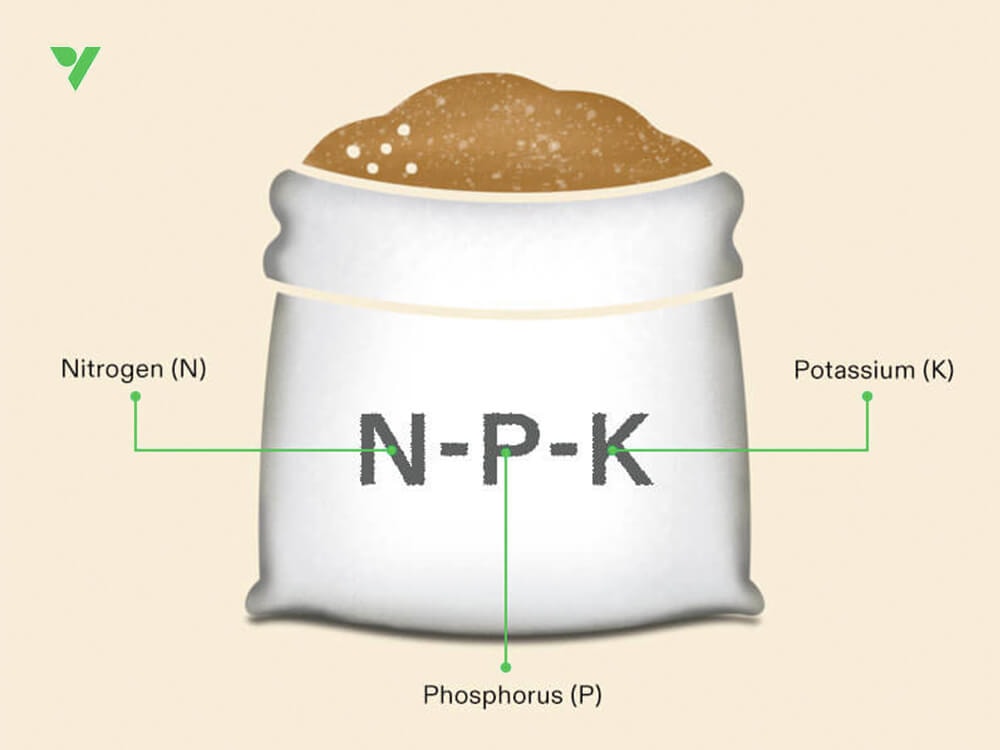
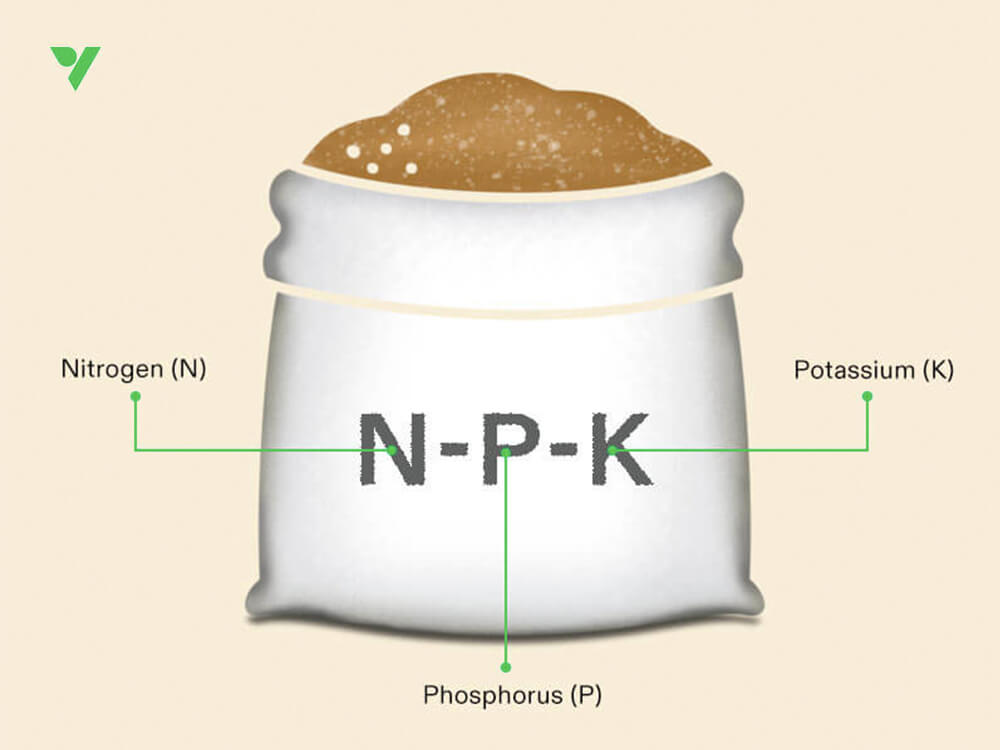
Most complete fertilizers supply a combination of macronutrients and micronutrients. The three numbers on an NPK label represent nitrogen (N), phosphate expressed as P₂O₅, and potash expressed as K₂O.
Nitrogen (N)
Nitrogen is essential for plant growth and is closely associated with chlorophyll production and the development of leaves and stems.
Nitrogen demand may change as a plant transitions from vegetative growth into flowering, but that does not mean nitrogen should automatically be eliminated. A flowering plant still requires nutrients, and the appropriate amount depends on the crop, growing medium, and nutrient program.
Phosphorus (P)
Phosphorus is involved in energy transfer and several important plant processes, including root and reproductive development.
Rather than assuming that flowering plants always need extremely high phosphorus levels, follow the nutrient manufacturer's recommended formulation and avoid increasing phosphorus simply because the plant has entered flowering.
Potassium (K)
Potassium contributes to several plant processes, including water regulation and photosynthesis. It is also an important macronutrient during reproductive growth.
As with phosphorus, more is not necessarily better. Potassium should be supplied as part of a balanced nutrient program.
Calcium and Magnesium
Calcium and magnesium are also important nutrients and are included in many complete fertilizer programs. Whether additional supplementation is necessary depends on the fertilizer, water source, growing medium, and existing nutrient levels.
Important: NPK numbers should not be treated as universal targets. Fertilizer products differ in concentration and formulation, so compare the complete feeding instructions rather than choosing a product based only on its NPK ratio.
Flowering Feeding Schedule: Week by Week
A week-by-week schedule can help organize a grow, but flowering does not follow exactly the same timetable for every plant. Use the stages below as a framework rather than a rigid recipe.
Weeks 1–2: Early Flowering
Plants are transitioning from vegetative growth into active flowering.
During this stage:
- Gradually transition to the flowering nutrient program recommended for your fertilizer.
- Avoid suddenly doubling the nutrient concentration.
- Continue supplying the nutrients needed for healthy leaf and flower development.
- Watch for signs of nutrient stress after each feeding.
The goal at this stage is a controlled transition, not an aggressive increase in fertilizer.
Weeks 3–4: Early to Mid Flowering
Flower sites become more established and the plant continues directing resources toward reproductive growth.
Continue following your fertilizer's flowering schedule and pay attention to:
- Leaf color
- New growth
- Water use
- Growing-medium condition
- Signs of nutrient excess or deficiency
Do not assume that increasing fertilizer because flowers are developing rapidly will necessarily improve the final result.
Weeks 5–6: Mid to Late Flowering
Flowering plants continue developing and nutrient requirements may change.
At this point:
- Continue the recommended flowering nutrient program.
- Check the plant regularly rather than feeding automatically based on the calendar.
- Monitor for nutrient burn or deficiency.
- Keep irrigation and environmental conditions consistent.
If a nutrient issue appears, determine whether the cause is actually a nutrient shortage before increasing fertilizer concentration. Problems with watering, root conditions, pH, temperature, or other environmental factors can produce symptoms that resemble nutrient deficiencies.
Weeks 7–8+: Late Flowering
Late flowering is primarily about maintaining a stable growing environment and following the finishing stage of your nutrient program.
Depending on the crop and fertilizer system, the nutrient program may be reduced or changed as harvest approaches.
Do not automatically switch to plain water simply because you have reached a specific week. Follow the fertilizer manufacturer's late-stage recommendations and consider the condition of the plant and growing medium.
Soil vs. Coco vs. Hydro: Does Feeding Frequency Change?
Yes. Growing medium can have a major effect on how nutrients are delivered.
| Growing Method | Typical Nutrient Delivery | Feeding Frequency Consideration |
|---|---|---|
| Soil | Nutrients are supplied through soil fertility and fertilizer applications | Often less frequent; follow the product's soil schedule |
| Coco Coir | Nutrients are commonly supplied through irrigation | May require more frequent nutrient delivery |
| Hydroponics | Plants receive nutrients through a nutrient solution | Frequency and concentration are managed as part of the irrigation system |
The important point is that "How often should I fertilize?" cannot be answered independently of "What am I growing in?"
A feeding schedule designed for soil should not automatically be used for coco or hydroponics.
How to Know If You Are Overfertilizing
More fertilizer is not always better. Excess fertilizer can create nutrient stress and can interfere with healthy root-zone conditions.
Possible signs of overfertilization include:
- Burned or brown leaf tips
- Unusually dark foliage
- Curling or damaged leaves
- Salt buildup around the growing medium
- Declining plant health after feeding
When these symptoms appear, do not respond by automatically adding more fertilizer.
First review:
- The fertilizer concentration
- The feeding frequency
- The growing medium
- The irrigation routine
- The fertilizer manufacturer's instructions
- Other possible environmental causes
Always measure and mix fertilizer according to the product instructions.
How to Recognize Possible Nutrient Deficiency
Nutrient deficiencies can also affect flowering plants.
Possible signs include:
- General yellowing or pale foliage
- Slow or weak growth
- Unusual leaf discoloration
- Poor overall plant development
However, visual symptoms alone are not enough to identify a specific nutrient deficiency. Similar symptoms can be caused by root problems, pH issues, watering problems, environmental stress, or nutrient imbalance.
Before adding more fertilizer, check the entire growing environment.
Should You Use More Phosphorus During Flowering?
Flowering plants do require phosphorus, but the idea that increasing phosphorus as much as possible will automatically produce larger flowers is too simplistic.
Phosphorus is one of the major plant nutrients and plays important roles in energy transfer and plant development. The appropriate amount depends on the crop and nutrient program.
Instead of choosing a fertilizer because it has the highest phosphorus number, use a complete fertilizer program appropriate for your growing method and follow the manufacturer's instructions.
When Should You Reduce Nitrogen During Flowering?
Nitrogen demand can change as a plant moves from vegetative growth into flowering, but there is no universal week when every flowering plant should receive zero nitrogen.
A better approach is to gradually transition from the vegetative nutrient program to the flowering program recommended for your crop and fertilizer.
Avoid making a sudden switch to a nitrogen-free program unless the product instructions specifically call for it.
When Should You Stop Fertilizing Before Harvest?
There is no single number of days that applies to every growing system.
The appropriate finishing strategy depends on:
- Fertilizer formulation
- Growing medium
- Plant development
- Irrigation method
- Manufacturer recommendations
Some nutrient programs include a finishing or reduced-feeding period, while others are designed to continue through the later stages of flowering.
Rather than following a universal "7-day" or "14-day" rule, use the finishing instructions for your nutrient system.
How to Adjust Your Feeding Schedule
A good feeding schedule should be treated as a starting framework that can be adjusted as conditions change.
If Plants Show Signs of Overfertilization
Review the concentration and frequency before increasing the amount again. Check the growing medium and irrigation routine as well.
If Plants Show Signs of Possible Underfeeding
First confirm that the symptoms are actually nutrient-related. Check the growing environment, root condition, watering, and nutrient availability before increasing fertilizer.
If You Change Growing Medium
Do not carry the same feeding schedule from soil into coco or hydroponics without adjustment.
If You Change Fertilizer Products
Different fertilizers have different concentrations and feeding instructions. Recalculate the schedule from the new product label instead of assuming that the previous dilution or frequency remains appropriate.
VIVOSUN Nutrients for Flowering
VIVOSUN nutrient programs can be used as part of a complete feeding routine, but the correct application depends on the specific product and growing method.
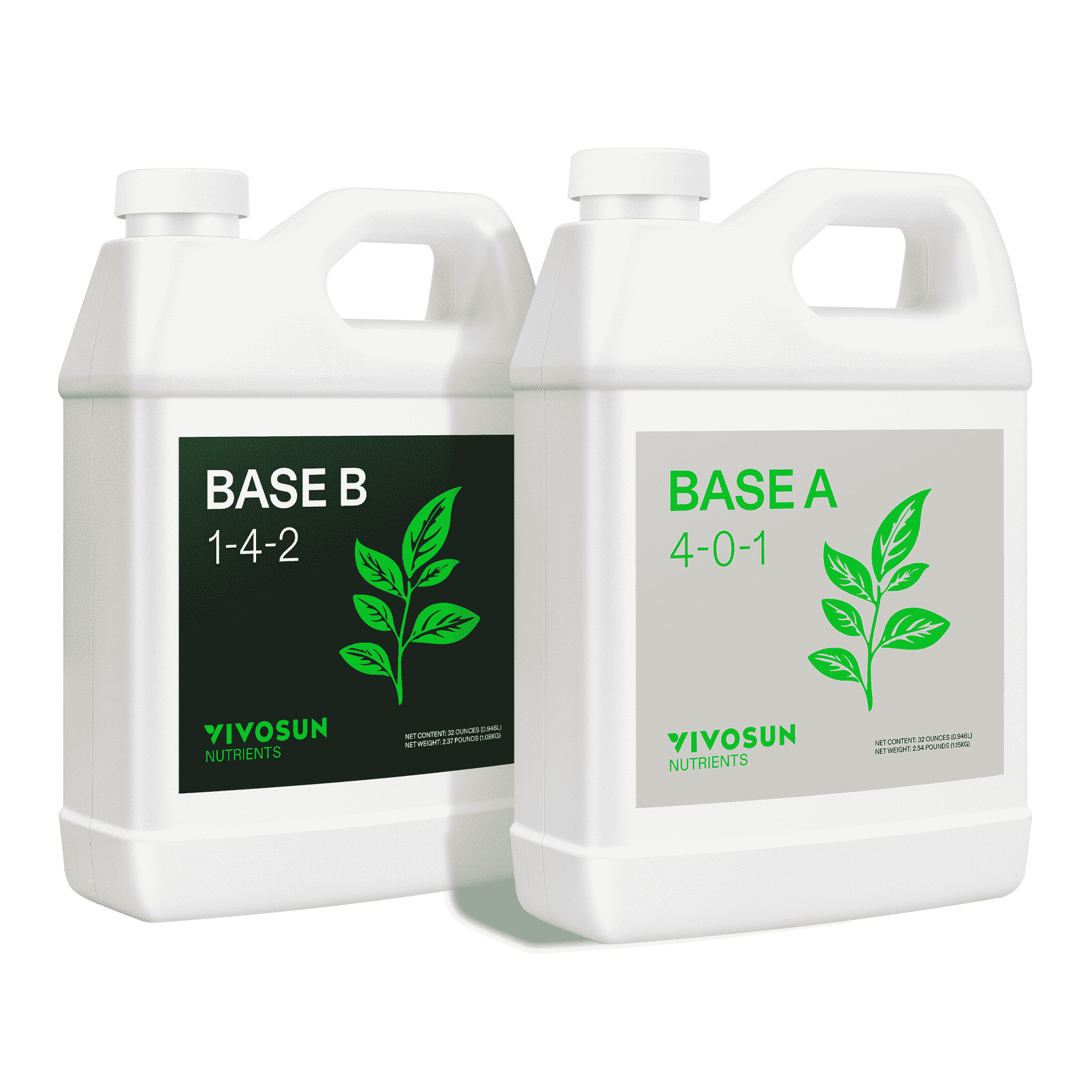
For example, VIVOSUN Nutrients Base A and Base B are a two-part nutrient system containing major and secondary nutrients. Because two-part nutrients are concentrated, Base A and Base B should be diluted according to the product instructions rather than mixed together in concentrated form.
Learn More About VIVOSUN Nutrients
For the best results, use the feeding schedule provided for the specific product and growing medium instead of applying a generic flowering schedule to every setup.
Frequently Asked Questions
How often should I fertilize during flowering?
For many soil-based grows, once every 7–14 days can be used as a starting point, but the correct frequency depends on the fertilizer, growing medium, plant stage, and plant response. Always follow the manufacturer's instructions first.
Can I fertilize every time I water during flowering?
Some nutrient programs are specifically designed to provide nutrients with irrigation, while others are not. Whether you can fertilize every time you water depends on the fertilizer formulation, concentration, growing medium, and feeding schedule.
Do not assume that every fertilizer should be used with every watering.
Should I use bloom fertilizer during flowering?
A fertilizer formulated for flowering can be appropriate during the flowering stage, but you should choose a complete nutrient program based on your growing medium and the manufacturer's recommendations rather than selecting a product solely because it has a high phosphorus number.
Do plants still need nitrogen during flowering?
Yes. Flowering plants still require nitrogen, although nutrient requirements can change as the plant transitions from vegetative growth to flowering. The appropriate amount depends on the crop and nutrient program.
When should I stop fertilizing during flowering?
There is no universal stop date. Follow the fertilizer manufacturer's late-flowering and finishing instructions, and consider the growing medium and plant condition.
Does fertilizer frequency change between soil and coco?
Yes. Soil and coco have different nutrient-management characteristics, so the same feeding schedule should not automatically be used for both.
How do I know if I am overfertilizing?
Watch for symptoms such as leaf-tip burn, unusually dark foliage, curling leaves, or salt buildup. Review fertilizer concentration and frequency before adding more nutrients.
How often should autoflowers be fertilized during flowering?
Autoflowers should not automatically be placed on a separate universal feeding schedule simply because they have a different life cycle. Follow the fertilizer program for the growing medium and adjust based on plant size, development, and plant response.
Final Takeaway
The best flowering feeding schedule is not simply the one that adds fertilizer most often.
Start with the fertilizer manufacturer's instructions, then consider your growing medium, flowering stage, irrigation routine, and plant response. For many soil-based grows, a 7–14 day interval may be a reasonable starting point, while coco and hydroponic systems can require more frequent nutrient delivery.
Rather than following a rigid week-by-week recipe, use your feeding schedule as a framework and make adjustments based on the actual conditions of your grow.
For more information about managing plants during flowering, see: